In: Machine Learning and Artificial Intelligence
Johns Hopkins researchers receive Retina Society grant
- September 22, 2022
- Machine Learning and Artificial Intelligence
The research team has received funding from the Retina Society to automate the early detection of sickle cell retinopathy.
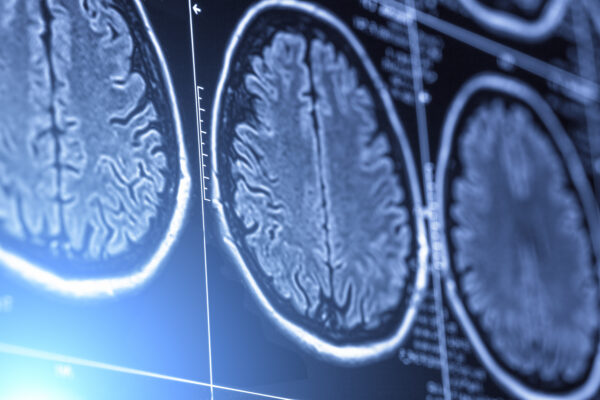
Johns Hopkins partners with Microsoft to enhance AI for radiology
- August 15, 2022
- Machine Learning and Artificial IntelligenceMedical Imaging
Computer engineers and radiologists from the Malone Center for Engineering in Healthcare have teamed up with Microsoft to enhance the AI capabilities offered by Microsoft's Azure cloud computing system.
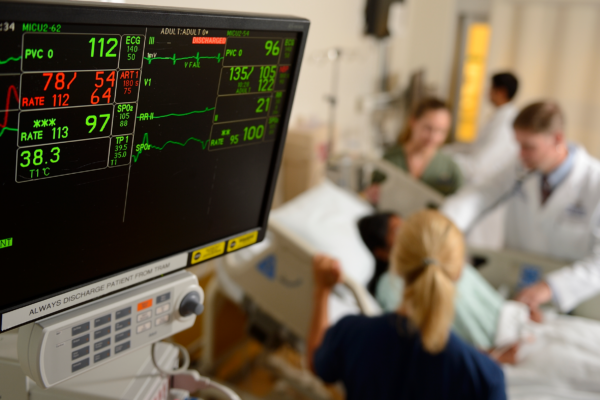
AI speeds sepsis detection to prevent hundreds of deaths
The new system identifies patients at risk for the illness, which is notoriously difficult to detect and develops quickly.

Mathias Unberath receives grant from Bisciotti Foundation Translational Fund
- March 4, 2022
- Center NewsMachine Learning and Artificial Intelligence
The grant funds will go toward developing software that can diagnose strep throat based on a cellphone photo.
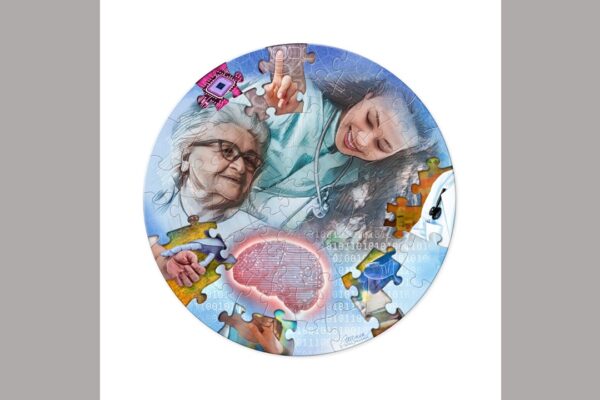
New $20 million grant will help Johns Hopkins develop technologies for healthy aging
- November 16, 2021
- Center NewsMachine Learning and Artificial Intelligence
Multicenter collaboration will focus on the use of artificial intelligence to improve long-term health, independence for older people.
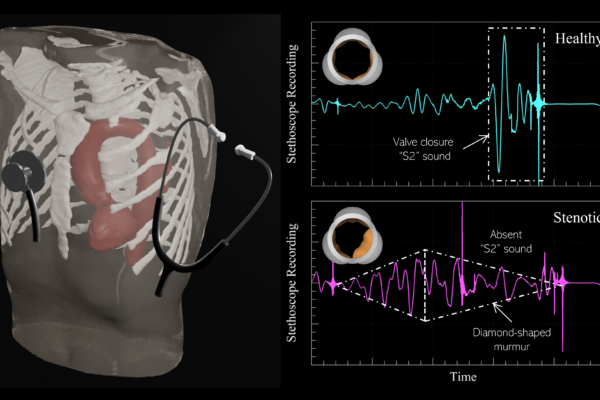
Computer-assisted auscultation proves effective at detecting early-stage heart disease
- October 27, 2021
- Machine Learning and Artificial Intelligence
Johns Hopkins mechanical engineers have developed an algorithm that “listens” to heart sound recordings and detects heart disease with an accuracy that is similar to that of expert cardiologists.