By: Jaimie Patterson
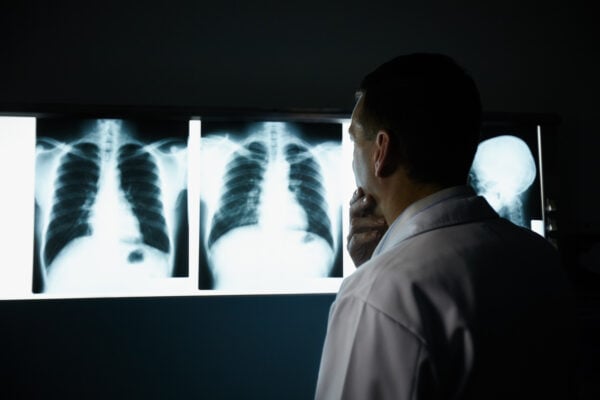
Explain yourself: Designing AI for better human-machine teaming
A new study by Hopkins researchers finds that doctors’ diagnostic performance and trust in AI advice depends on how the AI assistant explains itself.
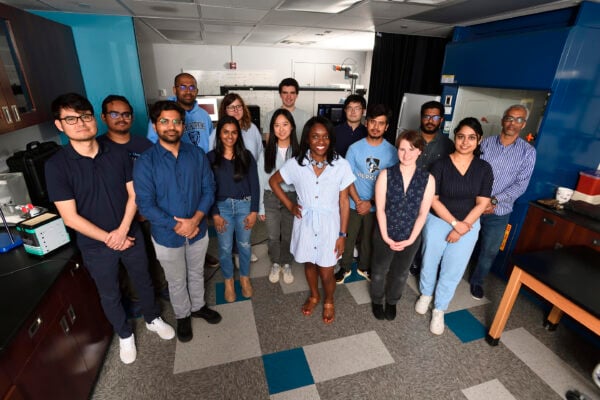
Sharper, safer, more inclusive medical imaging
- April 8, 2025
- Center NewsMedical Imaging
Backed by NIH funding, Muyinatu “Bisi” Bell’s innovative work is enhancing diagnostic accuracy, improving surgical precision, and ensuring equitable health care for all patients.

Muyinatu Bell honored with Benjamin Franklin NextGen Award
- March 17, 2025
- Center News
The Franklin Institute Awards have honored scientific excellence for nearly two centuries, celebrating individuals whose discoveries and innovations shape the future.
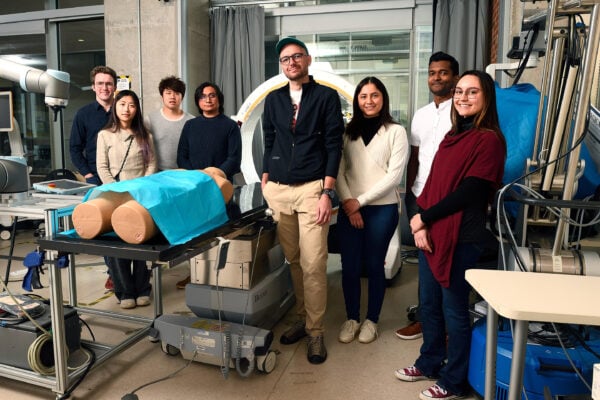
America’s global scientific edge relies on its investment in research
- March 13, 2025
- Center News
John C. Malone Associate Professor Mathias Unberath, a leading expert in AI-assisted medicine, says cuts to research funding imperil the nation’s ability to attract the world’s best and brightest scientists.
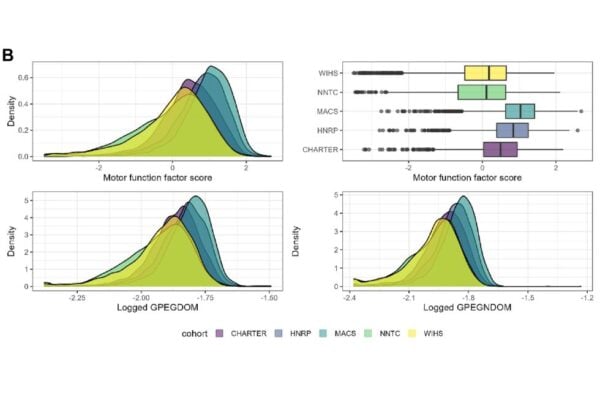
Making brain studies more efficient
- March 6, 2025
- Data Analytics
An innovation led by Malone researcher Yanxun Xu could accelerate research into how HIV affects memory and thinking.
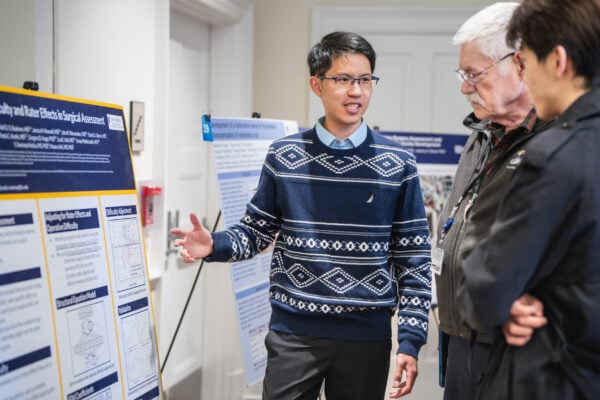
Announcing the 2024 symposium poster session awardees
- February 19, 2025
- Center NewsStudent Stories
The rescheduled session featured the latest in healthcare engineering research, with prizes going to the top three presentations.