By: Jaimie Patterson

Malone researchers awarded $1.2 million NSF grant
- October 27, 2025
- Machine Learning and Artificial Intelligence
The National Science Foundation awarded a Johns Hopkins team a four-year grant to develop AI capable of giving surgeons expert feedback based on videos of their performance.

Johns Hopkins researchers demonstrate the advantages of using machine learning in medicine
- October 22, 2025
- Machine Learning and Artificial Intelligence
New research shows how ML methods can cut costs and save lives in clinical research.
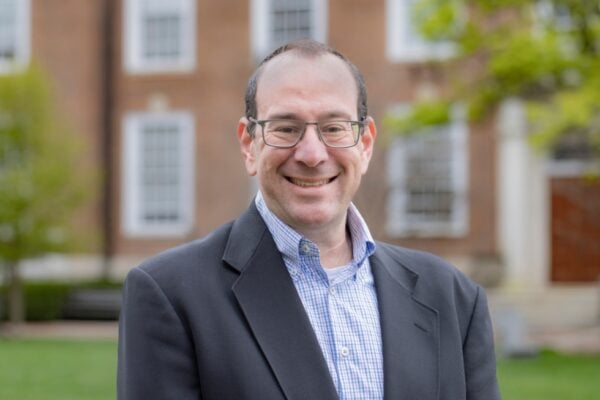
Mark Dredze named director of Johns Hopkins Data Science and AI Institute
- October 14, 2025
- Center News
Dredze, a member of JHU’s faculty since 2009, has been selected to lead the university institute dedicated to harnessing the power of AI to translate data-driven discovery into real-world impact.

Aging gracefully with AI
Johns Hopkins researchers have created a new kind of voice assistant to help older adults manage their health.

Christopher G. Chute to receive Morris F. Collen Award of Excellence from American College of Medical Informatics
- October 3, 2025
- Center News
The ACMI is a college of elected fellows who have made significant and sustained contributions to the field of biomedical informatics.

Symposium spotlights AI’s potential to revolutionize health care
- September 29, 2025
- Center NewsMachine Learning and Artificial IntelligenceMobile HealthRobotics, Augmented Reality, and Devices
Robot-assisted surgery, an app for diagnosing strep throat, and a new tool to detect glaucoma are all on the health care horizon thanks to artificial intelligence innovators at the Johns Hopkins University.